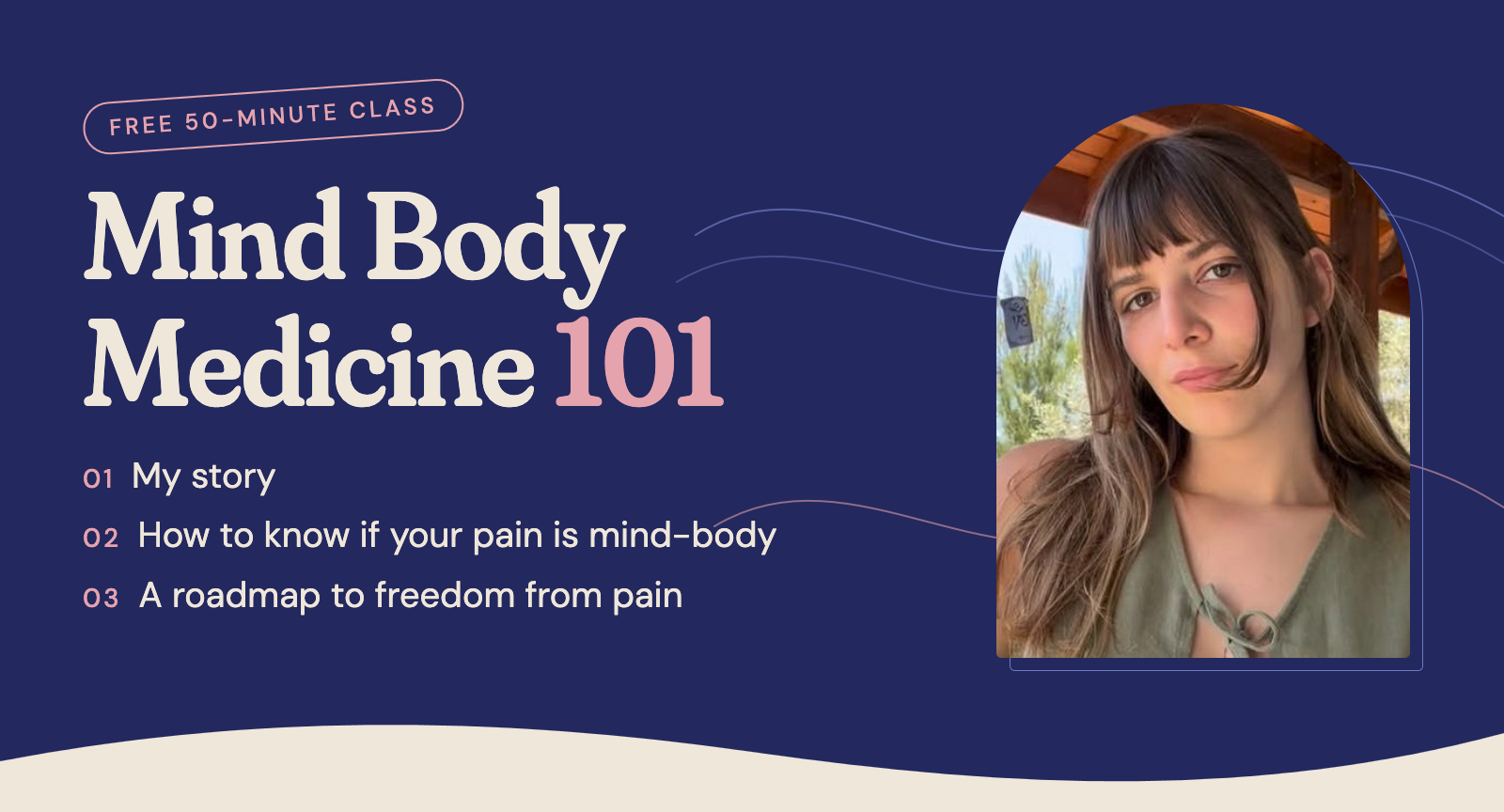
Where does chronic pain actually come from?
All pain is made by the brain and the nervous system, even the pain of a broken bone. Pain is a protective signal. Most of the time it matches something happening in the tissue, and it fades as the tissue heals.
But sometimes the signal keeps going long after an injury has had time to mend. Sometimes it shows up when there was never an injury at all. This pain is just as real and just as physical. What is different is where it comes from.
Why would my body keep sending pain signals?
I understand this kind of pain as protection. When fear, grief or anger has nowhere to go, the nervous system stays on guard, and the body holds what we could not.
We were never meant to carry this alone. For most of human history, grief and fear were held by community, by ritual, by music, by elders, by the land itself. Living disconnected from all of that asks a single nervous system to hold what used to be held by many.
For a lot of the people I work with, that weight also includes living in an unjust world: watching genocide on our screens, working inside systems that drain us, carrying what our families survived so that we could be here. I don't separate any of this from the body. The body doesn't either.
Is this the same as TMS, neuroplastic or nociplastic pain?
These names overlap. Dr. John Sarno called it tension myositis syndrome (TMS), and later the mindbody syndrome. More recent writers call it neuroplastic pain. Researchers use the term nociplastic pain for pain driven by changes in how the nervous system processes signals, rather than by tissue damage or nerve injury.
The language and the theories differ, but they point to the same truth: pain can be real, physical, and driven by the nervous system more than by damage. I wrote more about what TMS means.
What does a mind-body approach look like in practice?
In my work as a breathwork therapist and mind-body practitioner, we:
- talk about your pain and your life, because they were never separate
- learn how pain works, so the fear around the sensation can start to loosen
- practice breathwork, which speaks to the nervous system directly, in a language older than words
- build somatic awareness, so you can notice what your body is asking for before it has to shout
- use reflective tools you can keep returning to on your own
Over time, the nervous system can start to feel safe enough that it no longer needs the alarm. Your pain is not your enemy. It is a part of you that has been trying to protect you for a very long time, and it deserves to be listened to.
Questions to sit with
- When did your pain begin? What else was happening in your life then?
- What does your body do when you feel unsafe?
- Who taught you to keep going no matter what?
- What have you never been allowed to feel all the way through?
With love,
Leyla